D-Types, E-Types, XKs and Engines – Workshop Update
What a first couple of months of 2026 it has been. The workshop has been packed with exciting projects and we are delighted to be returning cars to their owners, ready to be enjoyed this spring. As a team, we have resolved to spend more time out in classics this year and to attend more shows. It is so important that these cars are seen and shared with future generations to help spark interest from a young age. With that in mind, we hope to be out and about throughout the season, enjoying events and making the most of every opportunity to use these wonderful machines. We look forward to seeing many of you there.
The workshop remains busy and we are now at that time of year when we receive numerous calls about cars reluctant to start after winter storage. If you are planning to get out on the road this spring, we would urge you to check your car over sooner rather than later. If we can assist in any way, please do book it in.
In this update, Nik shares further thoughts from his time with AssetClassic, we look at several cars in for engine work, modifications to our E-Type, a near-complete XK120 restoration and more.
Jaguar XK120 Restoration
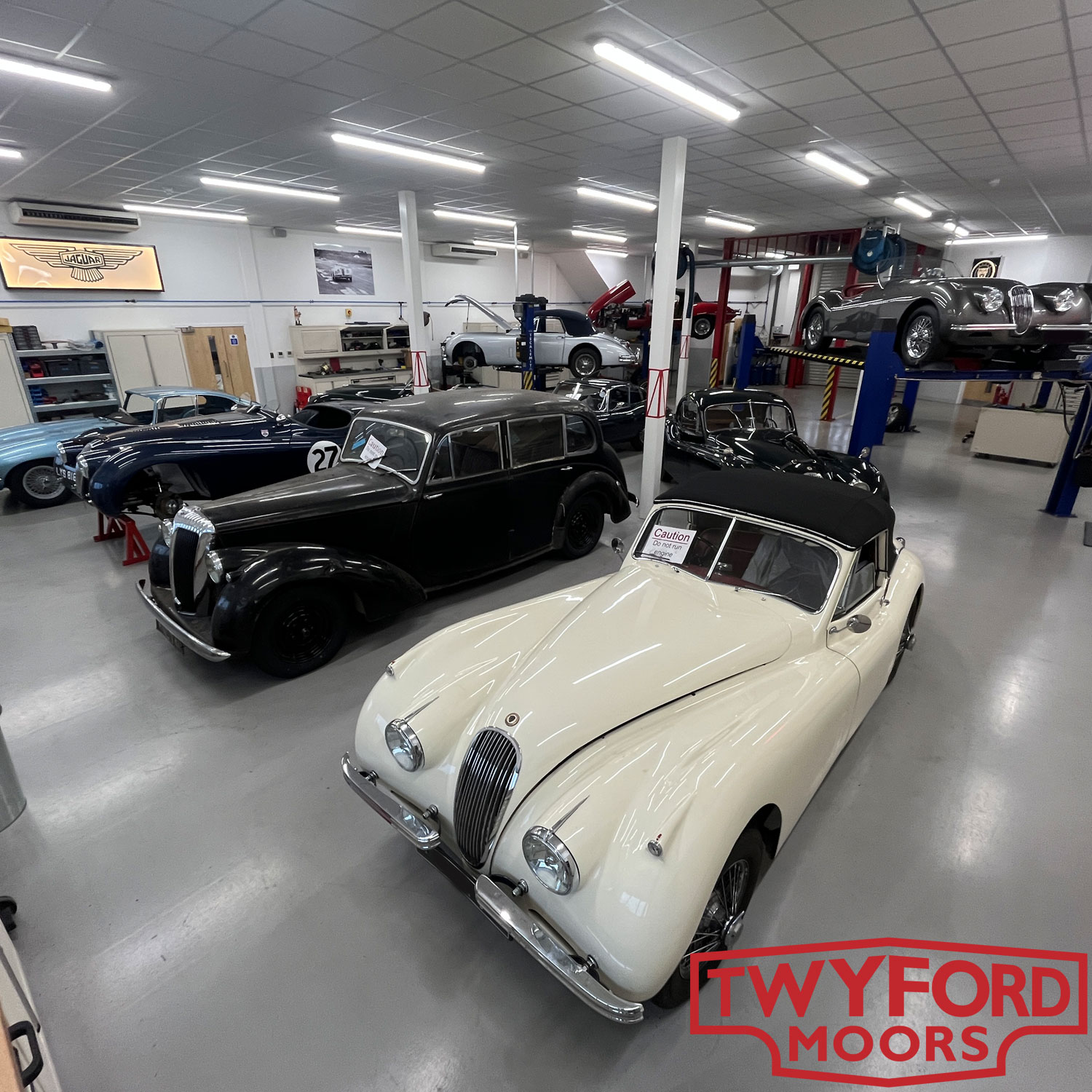
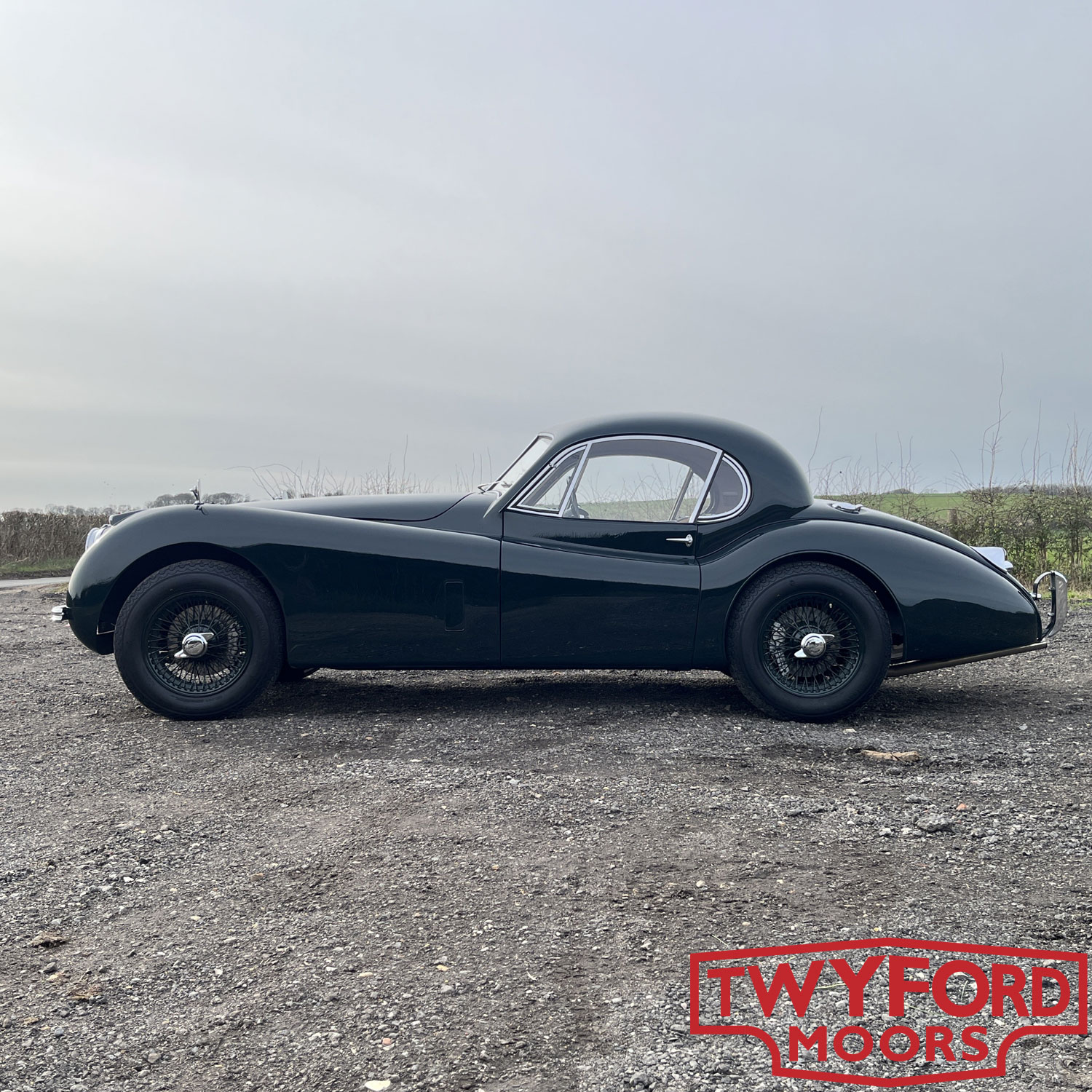
This Jaguar XK120 fixed-head coupé is nearing completion following a full nut-and-bolt restoration, and we are currently putting test miles on the car. The recent weather has not made this easy and unfortunately leading to some delays. On the positive side, we can confirm that the car is entirely watertight and that the windscreen wipers work exactly as they should.
The photograph was taken during an early road test, although by that stage the car had already covered around 400 miles of testing. The team has now carefully set it up and refined it, and it is immensely satisfying to experience the result of so many hours of skilled work. We hope to film a follow-up video soon to share the experience, so please keep an eye on our YouTube channel.
We are immensely proud of what has been achieved. The owner had a very specific brief and intended use in mind, and the car has been built precisely to meet those expectations. It is an absolute delight to drive, though further testing remains before final sign-off.
The Classic Forum
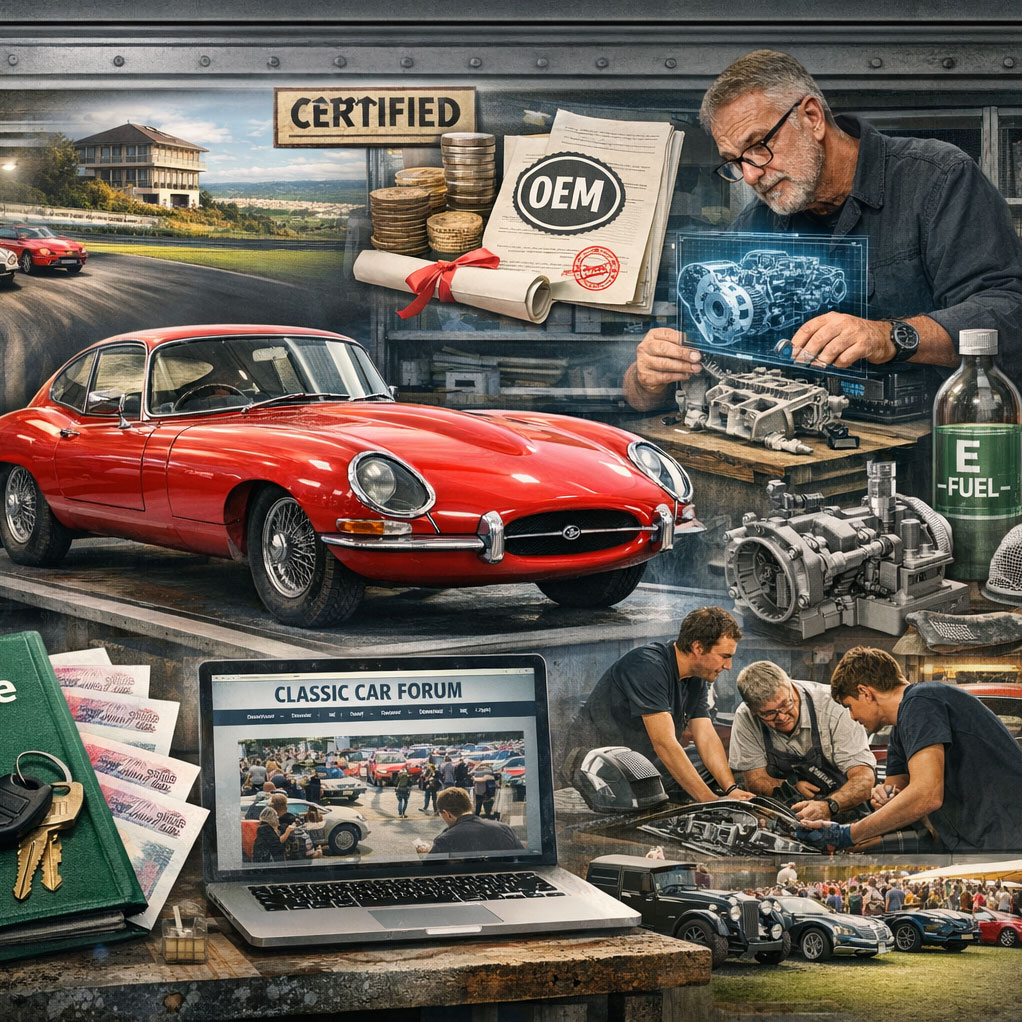
We have previously shared AssetClassic insights into the development of the classic car market. In addition AssetClassic working with McKinsey noted various current trends. Many will be familiar but when viewed together show an overall trend the classic car market is developing from niche passion to wider lifestyle aspirations.
Their findings included:
High-end storage services becoming an integral part of a broader experimental offering, including luxury hospitality, experiences and racetrack access.
Owners and insurers insist on higher standards for storage, often vault like security with climate control.
Owners are willing to pay for speciality insurance coverage that reflects their vehicles appreciating values with insures increasingly responding with tailored ‘agreed value’ policies.
The market is starting to take OEM certifications as a requirement for collectible transactions and interestingly discounting values without hem.
Increasing use of collectible cars as collateral for loan, often to finance the purchase of other collectible cars.
Aging workshop owners (2/3 plan to retire in next few years) and disappearing skills will likely result in mix of consolidation, changing business models and increased prices; knowledge codification and digitisation are critical, industry wide challenge.
Car makers are responding by creating or expanding heritage divisions.
New programs designed to engage younger generations, offering education and hands-on experience.
AI based engineering applied to collectible parts to reduce costs; 3D scanned and printed components, with advanced fabrication more acceptable for collectible cars.
Increasing demand for sustainable use of collectible cars, from carbon offsets to e fuels.
Overall it was found that online platforms are central to the collectible car community, allowing enthusiasts to source information. Finally, events “multi-disciplinary” being the mantra to expand the love for collectible cars to new generations.
Jaguar XK150 S Engine Rebuild
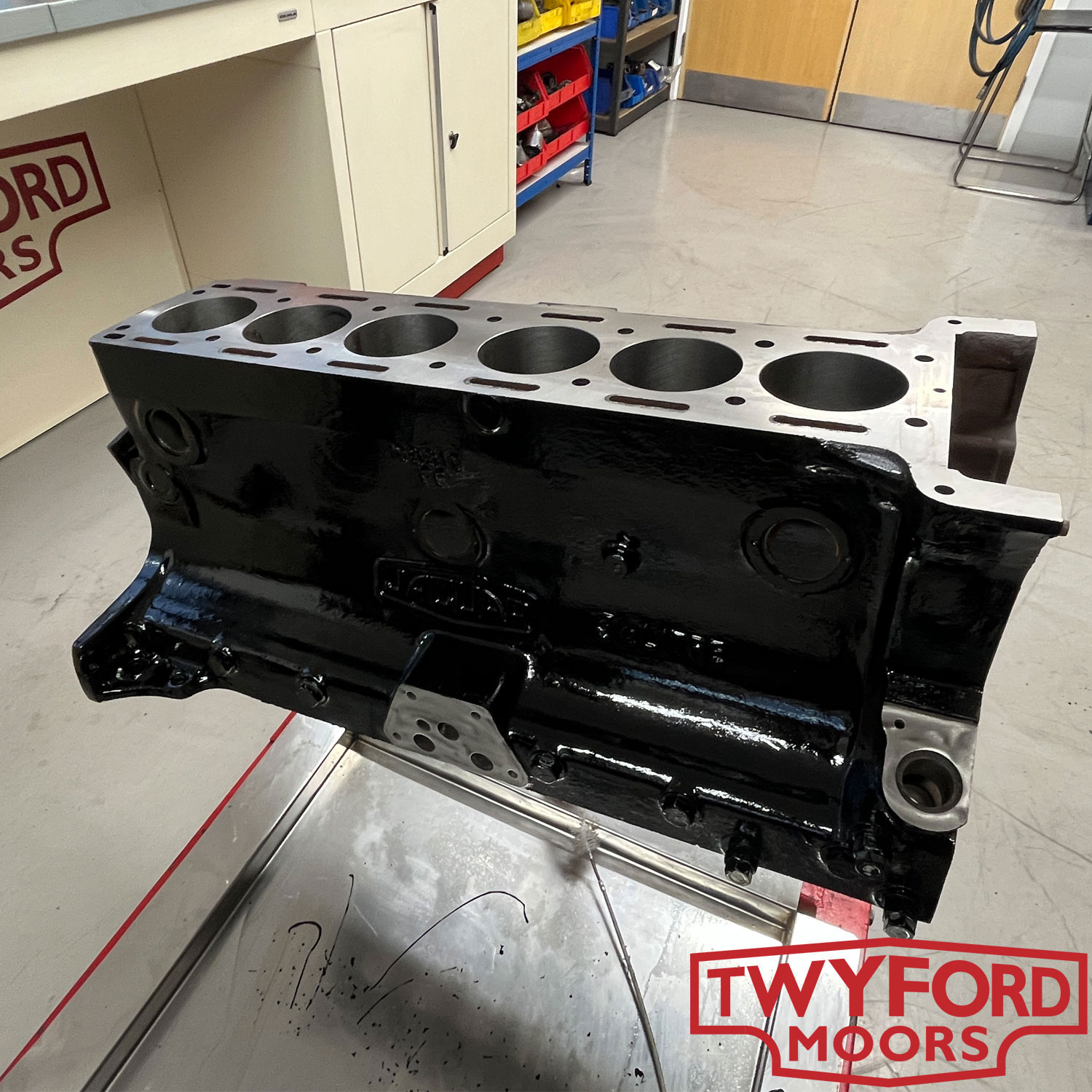
In our previous update we showed a pair of XK engines stripped and ready for machining as part of their rebuilds. Here is one of those blocks returned from machining, painted and ready for assembly. This is a 3.4-litre ‘S’ engine from an XK150 S — the ultimate evolution of the 1950s XK range, featuring a straight-port cylinder head and triple 2-inch carburettors to extract maximum performance.
As expected, this engine will perform better than ever. All rotating components have been balanced and lightened where appropriate to allow it to rev as freely and smoothly as possible. It will also benefit from larger valves, bucket guide hold-downs and fast-road camshafts.
A less glamorous but highly worthwhile upgrade is the conversion to a single-piece rear main oil seal. Standard XK engines are well known for rear main seal leaks. This modification requires machining the crankshaft to accept a modern single-piece seal, which is significantly more effective. It also necessitates a custom lightweight flywheel.
We will share further updates as assembly progresses.
Jaguar E-Type Hardtop
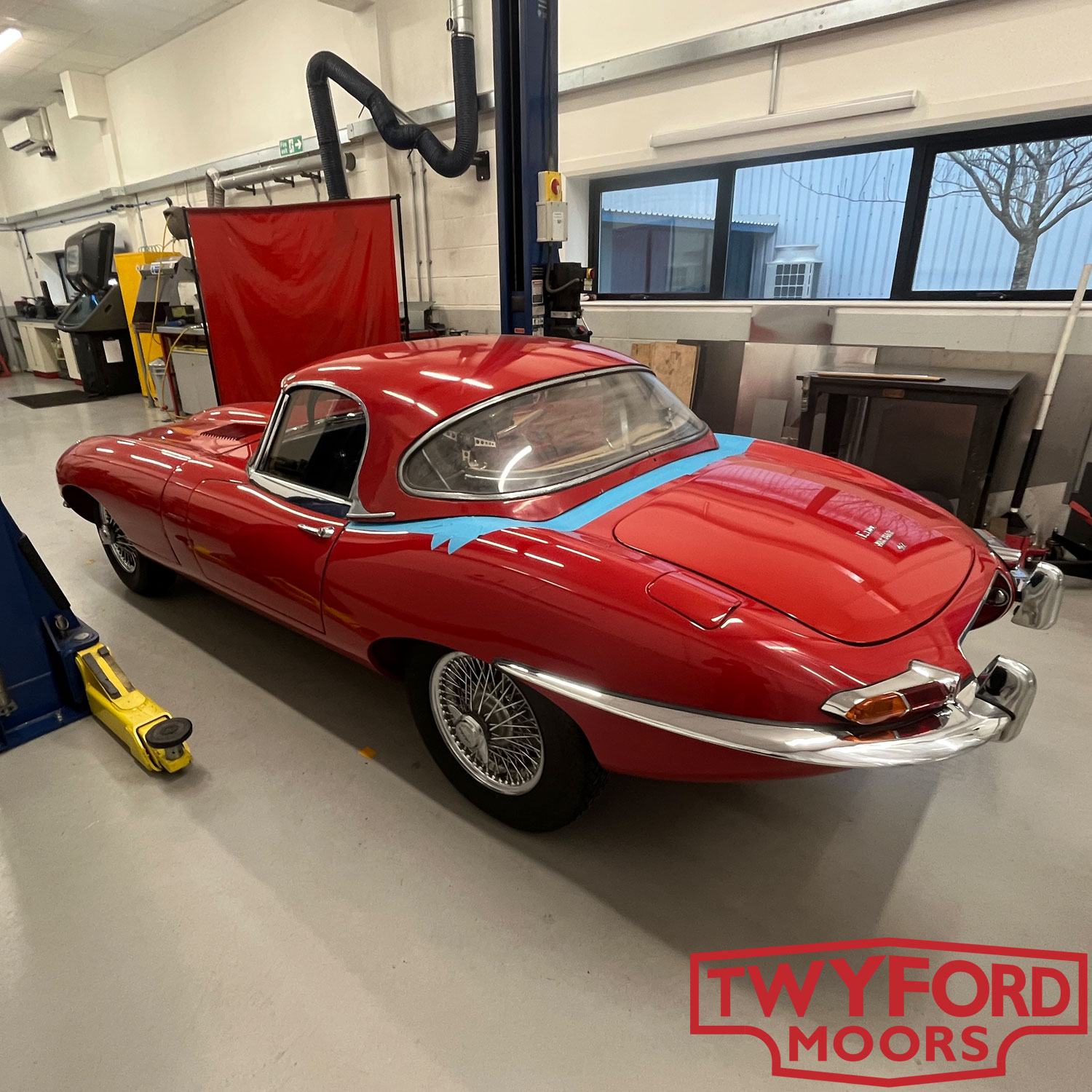
Pictured here is our Jaguar E-Type 4.2, which serves as something of a test bed for upgrades and modifications. The car came to us ten years ago as a rather scruffy but running example and was used for several tours, including the E-Type Club Round Britain Coastal Drive.
During the pandemic we took it off the road to address the bodywork, repaint the exterior and refit the original interior. While not restored to full concours standard, the aim was to preserve and present the car properly for the future. What we did complete to full restoration level was a comprehensive mechanical and electrical rebuild. From wiring harness to brakes, suspension to engine, every system was rebuilt and upgraded.
One task we never quite finished was refurbishing the factory hardtop supplied with the car. This year we intend to use the car properly and have always felt that E-Types look superb with their factory hardtops fitted. The hardtop has now been trial-fitted and subsequently stripped for rechroming and paint. We remain undecided about the red — perhaps black, cream or grey? We welcome your thoughts.
Jaguar XK120 Track Car
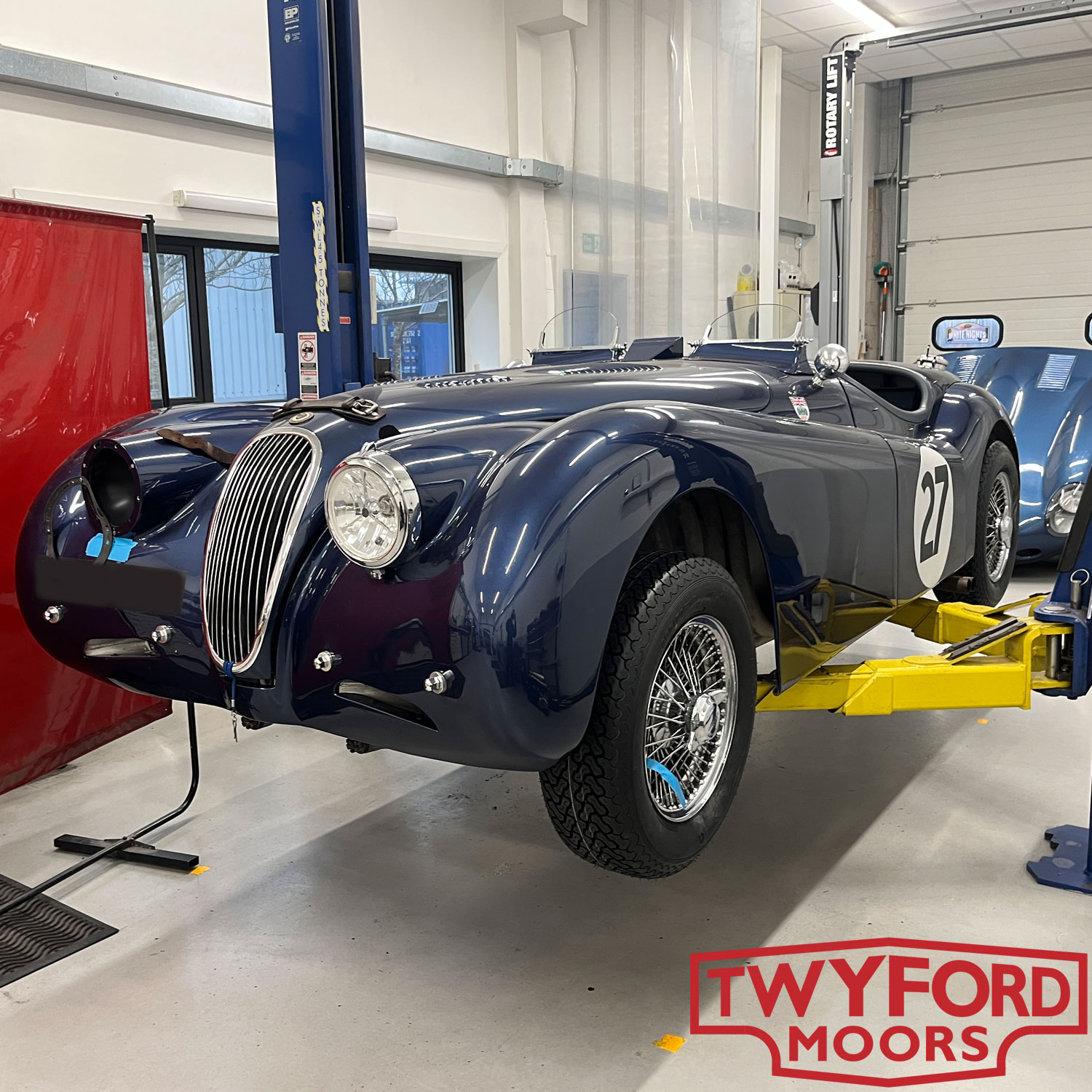
This striking Jaguar XK120 was recently purchased by one of our customers. Originally built for the Jaguar Enthusiasts’ Club XK Challenge, it is a heavily modified competition car designed with performance as its sole objective.
The car features a full aluminium reproduction bodyshell, a high-performance race-specification engine, upgraded suspension with remote-reservoir dampers and rack-and-pinion steering. With its side-exit exhausts and numerous further modifications, it is a serious track machine.
While it might be assumed that we are preparing it for a racing season, we have in fact been tasked with transforming it into a fast road and track-day car — something capable of being driven to the circuit, enjoyed fully, and driven home again reliably. This requires significant work, from reinstating a handbrake to ensuring the lights and indicators function correctly.
There is sound logic behind this approach. Ex-race XKs without period competition history have become comparatively good value, and replicating such a specification today would be extremely costly. With carefully considered alterations, this promises to be an exceptionally exciting road car.
Jaguar E-Type Series 2 Cylinder Head Rebuild
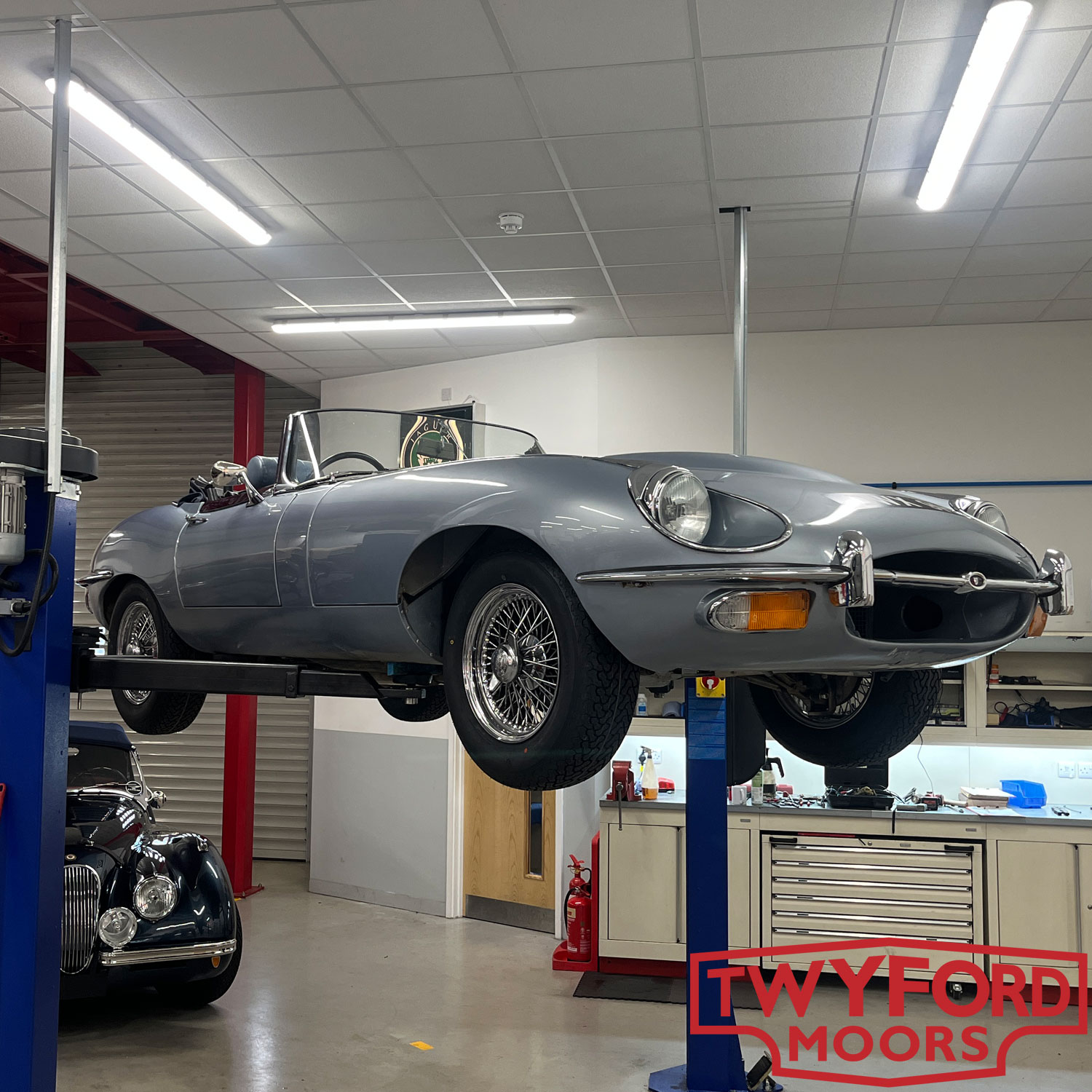
This Jaguar E-Type Series 2 has been with us over the winter for a number of jobs, including a full service and cylinder head rebuild. We do not see as many Series 2 cars as Series 1 or Series 3 models, and for reasons not entirely clear they seem somewhat more elusive.
While some may argue they lack the purity of the Series 1’s styling, the Series 2 reflects important regulatory and design changes of its era and represents a fascinating chapter in automotive history. We believe they are delightful cars in their own right.
With a freshly rebuilt cylinder head, numerous new suspension bushes, a rebuilt steering rack and several new universal joints, this E-Type is now ready to return to its owner in excellent mechanical health.
Free Valuations – HCVA Members
We are frequently asked to inspect and provide agreed insurance valuations for classic Jaguar XK models and E-Types. Our standard fee for this service is £98.00 + VAT (£117.60).
We are pleased to announce a partnership with the Historic and Classic Vehicle Alliance (HCVA), through which we can now offer free valuations to Owner & Enthusiast and Fellowship members.
HCVA membership starts from £48 per year and enables enthusiasts to play an active role in protecting the future of historic and classic vehicles.
If you would like further information about valuations or eligibility, please do get in touch.
Jaguar D-Type Engine Noise
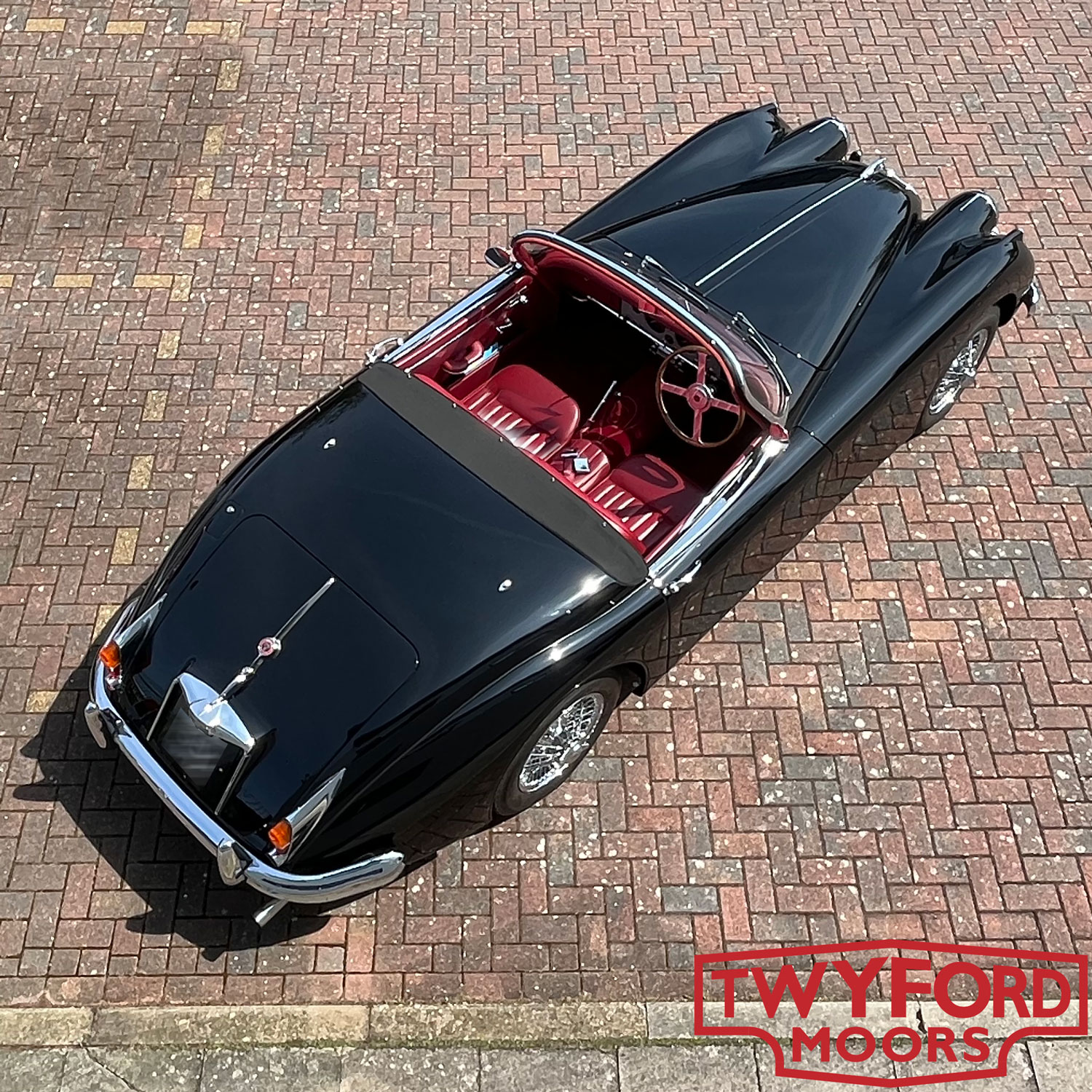
This Jaguar D-Type is a smart-looking Realm replica. We look after a number of Realm C- and D-Type replicas and understand their appeal. When built well, they are tremendous fun to drive, visually striking and represent excellent value for money.
This particular car came to us with a top-end engine noise requiring investigation. On initial inspection, it was immediately clear that something was amiss, particularly towards the rear of the cylinder head. Once the cam covers were removed, wear and irregularities in the camshafts, followers and valve gear became apparent, indicating that the cylinder head would need to be removed for further examination.
The head has now been taken off to allow a thorough assessment of the components. We will report back in our next update once we have established the full extent of the issue and the required remedial work.
If you have a replica requiring attention, we are always happy to help.
Jaguar XK140 Headlights
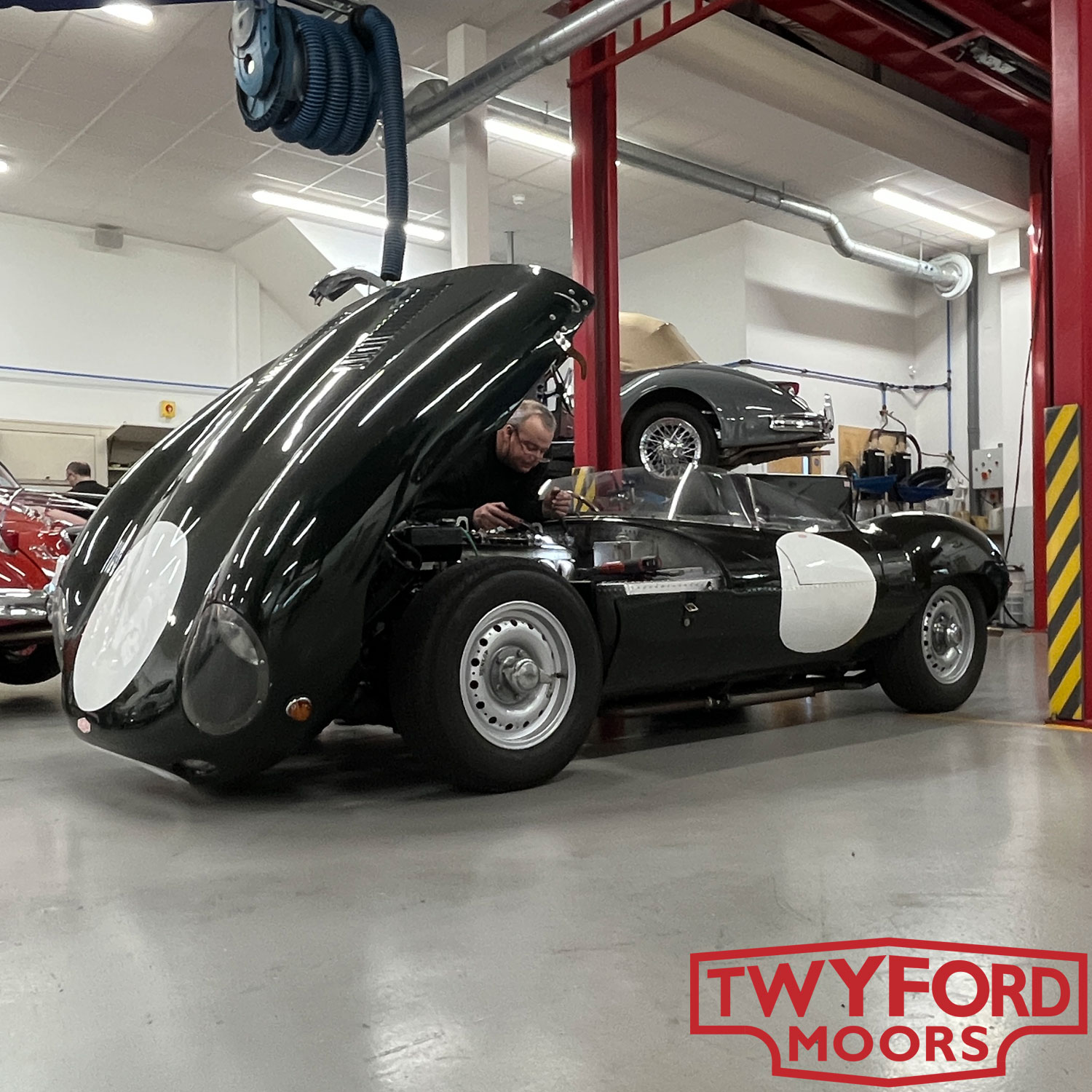
This Jaguar XK140 drophead coupé has been visiting us annually for many years. This year it required a routine service and attention to the headlights, as the owner felt somewhat “outgunned” by modern traffic.
This is becoming an increasingly common concern. Modern vehicles are equipped with exceptionally bright lighting, and many drivers have grown accustomed to this standard. Returning to 1950s lighting technology can therefore be quite a shock. Additionally, original headlamp reflectors may suffer from deteriorating silvering, while lenses can become cloudy over time.
Many owners consider LED conversions. In principle, brighter lights with reduced electrical load sound ideal. However, our experience has been mixed. Reliability can be inconsistent, and beam patterns are not always satisfactory. Complete LED headlamp units can deliver excellent performance but often involve cosmetic compromise.
For now, we find that high-quality modern halogen bulbs provide the most reliable and sympathetic upgrade for XK headlights.
Jaguar E-Type Non-Starter
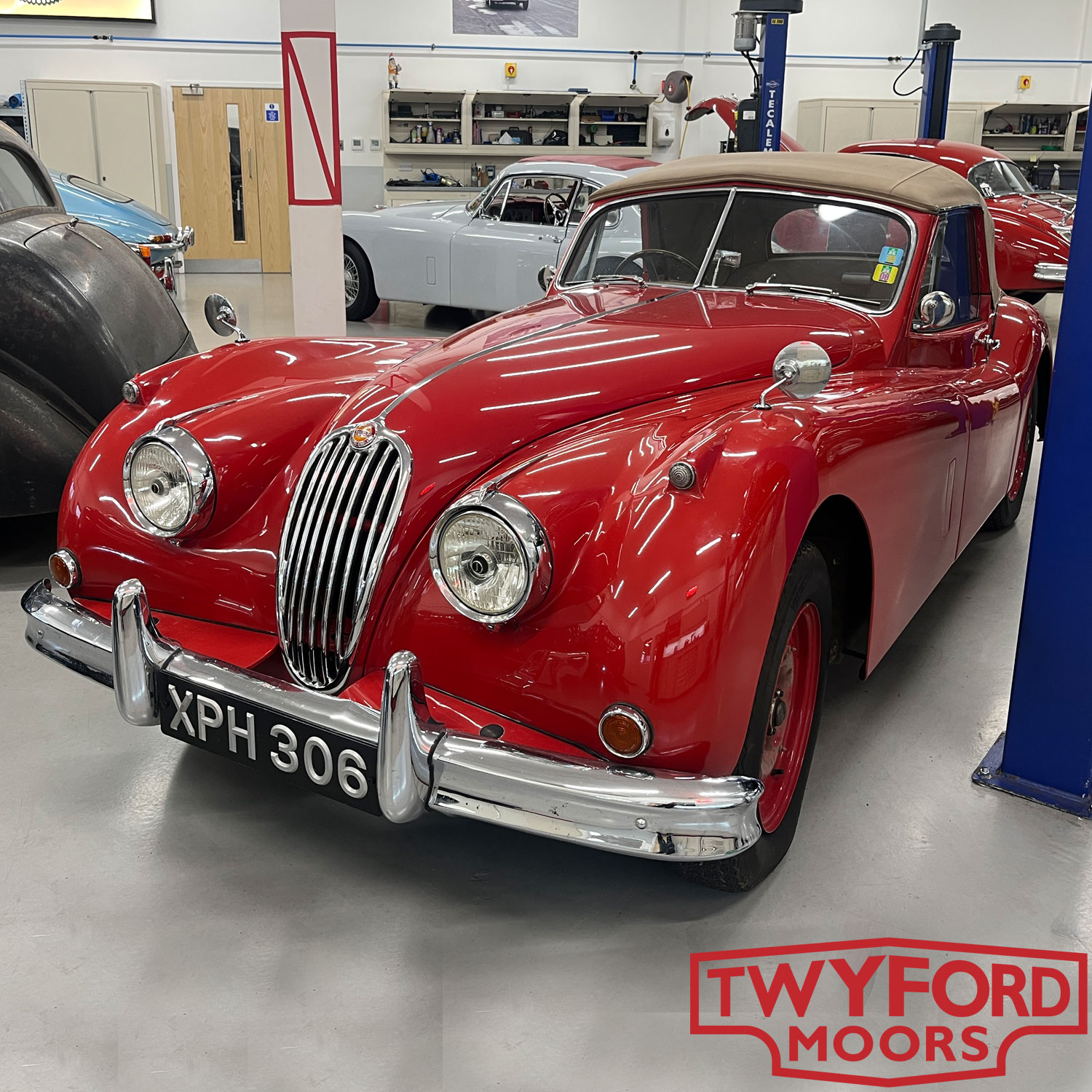
We recovered this E-Type from its owner’s home after it refused to start. It had reportedly been running beautifully when laid up in October and had remained on a trickle charger throughout winter. The engine turned over strongly and, following discussions, the owner had checked all the obvious areas.
Although we are sometimes asked to attend on-site to diagnose such issues, experience suggests this is rarely efficient. Often the fault requires parts or equipment not readily available during a call-out. Recovering the car in our enclosed transporter proved to be the correct decision.
Back at the workshop, we discovered that one of the carburettor float chambers had become stuck closed due to stale fuel — an unusual occurrence, as they are more commonly found stuck open. What surprised us most was how quickly the fuel had deteriorated.
It serves as a useful reminder that modern fuel can degrade rapidly, even over relatively short storage periods.
Classic Car Market
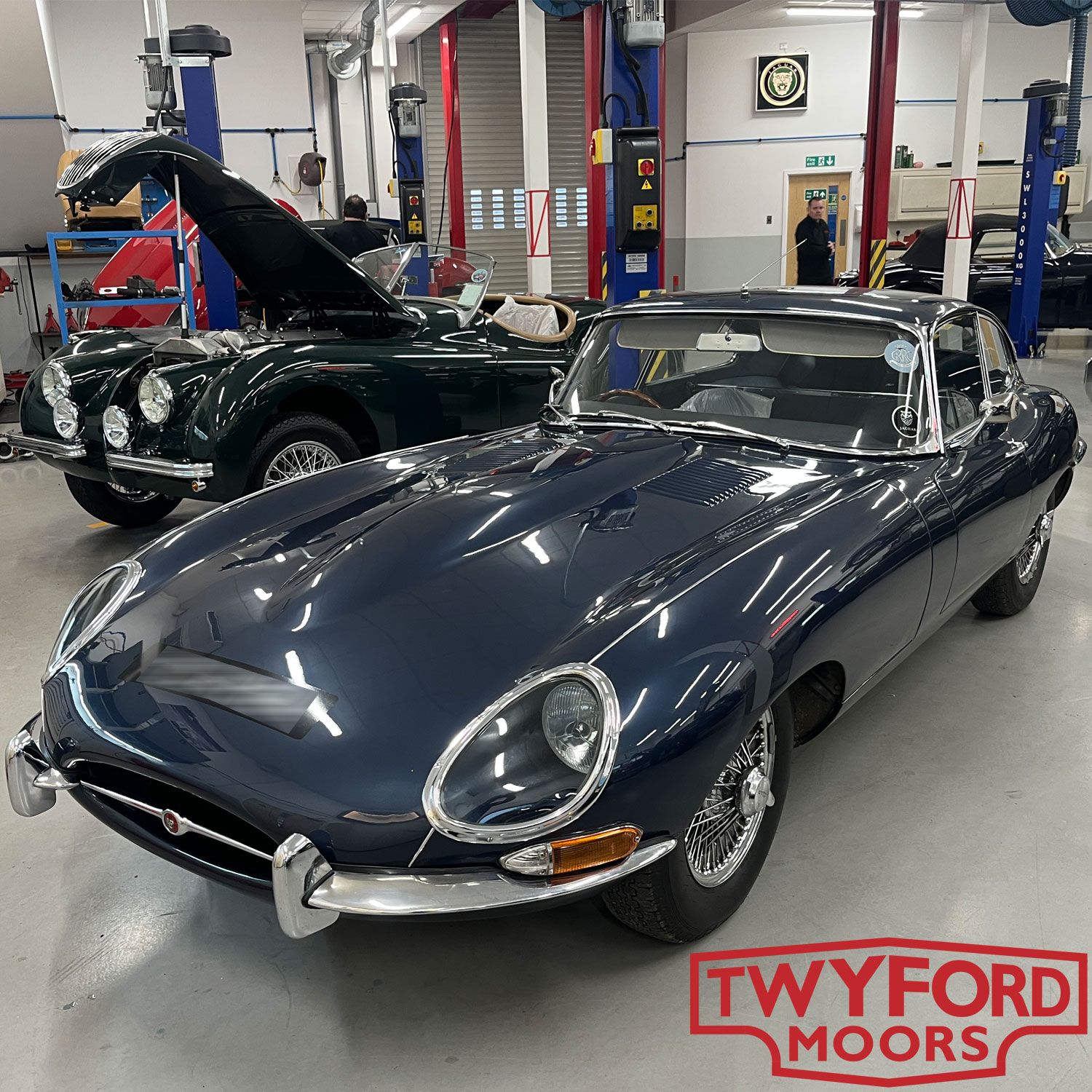
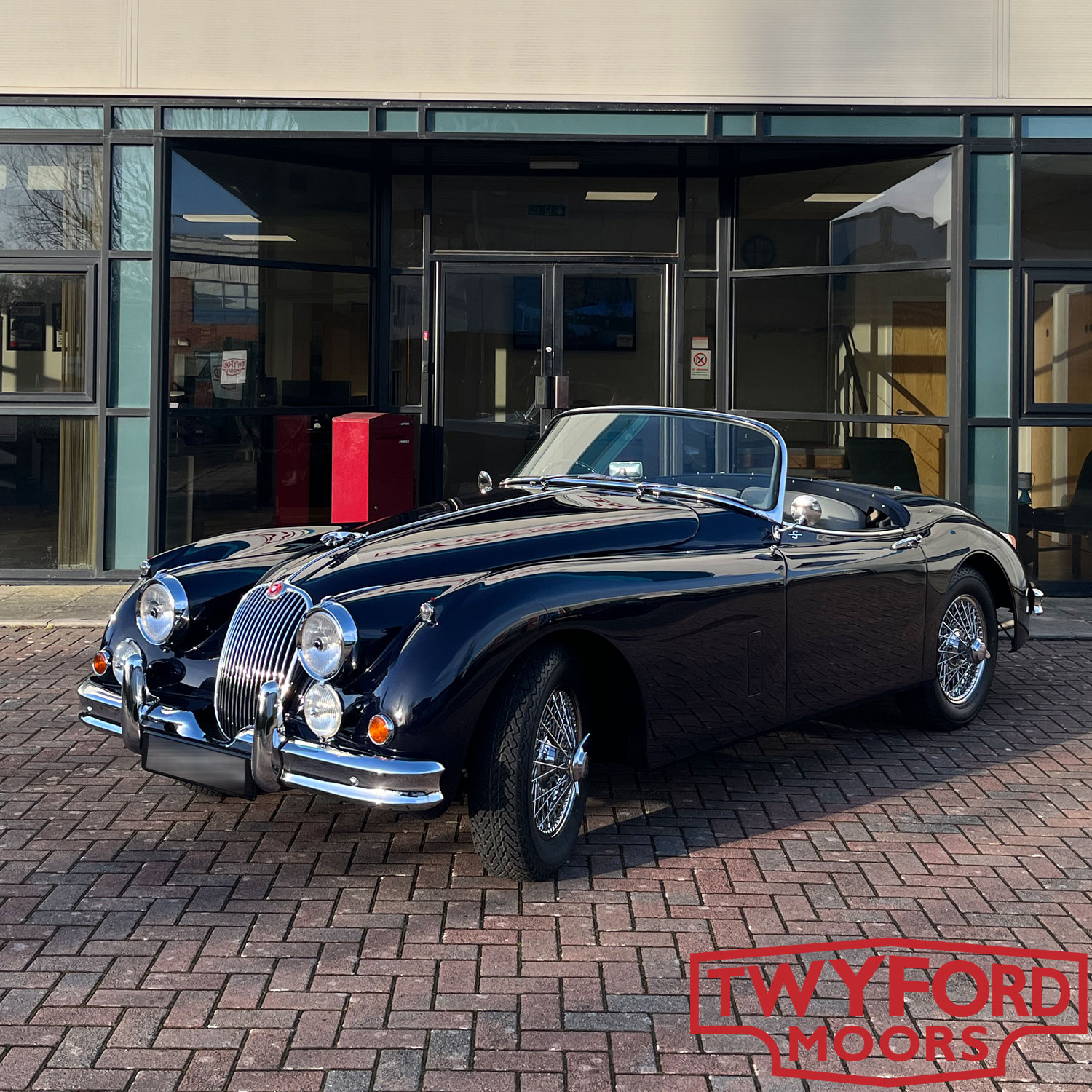
The Jaguar XK150 OTS pictured has recently been sold and passed through the workshop for several carefully chosen reliability upgrades prior to delivery to its new owner. These include conversion to negative earth, installation of a dynator (an alternator disguised as a dynamo), electronic ignition and an electric cooling fan — all sensible improvements for modern motoring.
In our previous update we mentioned cautious optimism regarding the sales market, particularly within our sector. Historically, XK models have proven relatively resilient during market fluctuations, largely because they tend to attract genuine enthusiasts rather than speculative investors.
With values now appearing to stabilise, we have observed renewed interest in well-presented, realistically priced examples. This can only benefit the wider classic Jaguar community by welcoming new custodians.
It has been some time since these cars have appeared comparatively accessible. When measured against modern alternatives, an XK or E-Type may require ongoing investment, but it is likely to deliver both financial prudence and immeasurably greater enjoyment.
Jaguar E-Type Series 3
We have a particular fondness for the V12 E-Type at Twyford Moors and have developed a strong reputation for maintaining them. These cars can be challenging to set up correctly, and some specialists are reluctant to undertake major work. Fortunately, we combine both experience and enthusiasm, undertaking everything from routine servicing to full rebuilds.
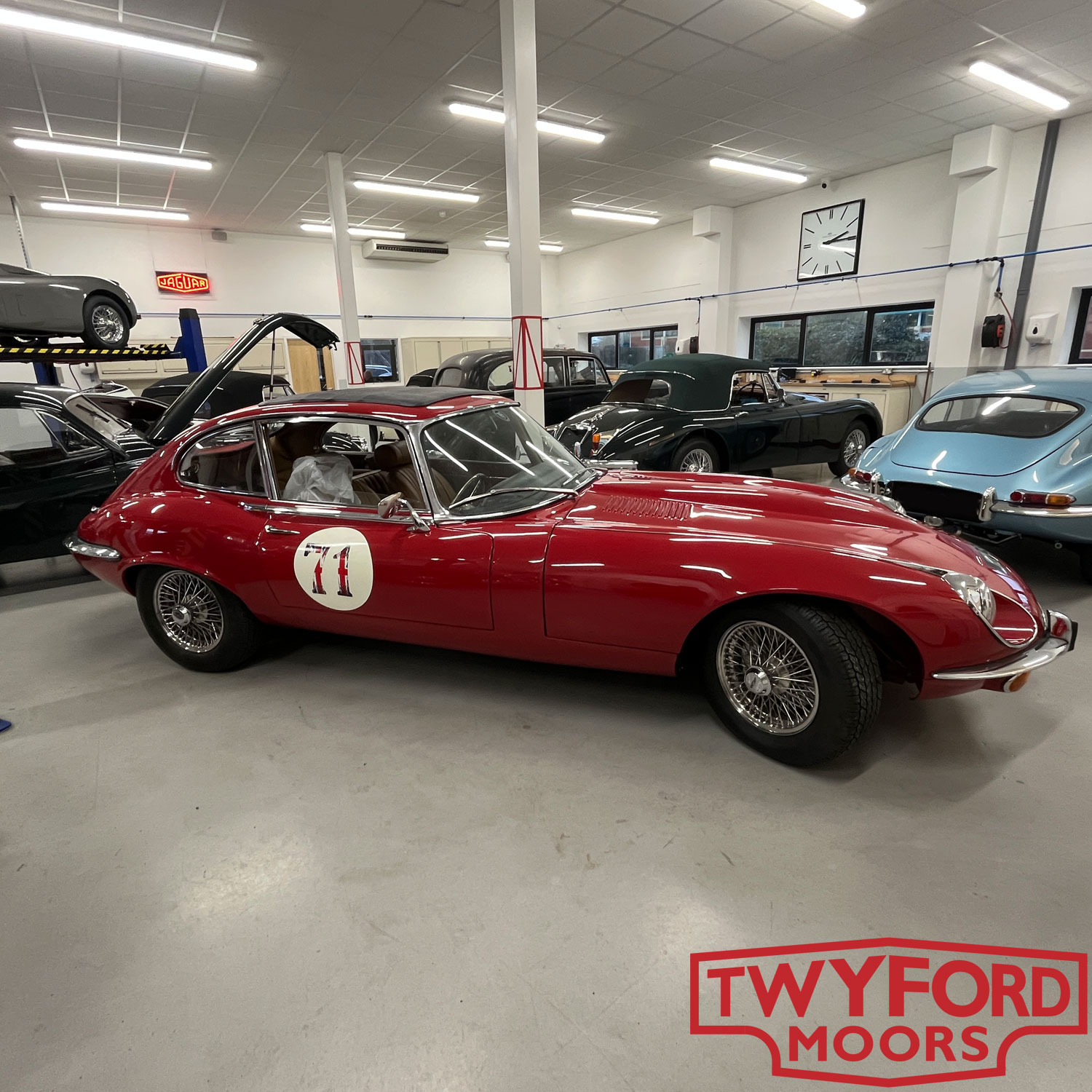
This eye-catching Series 3, complete with Union Jack roundel, recently visited us for several tasks. One story of note concerns an issue encountered during a trip to Angoulême last autumn, when the car began suffering from low fuel pressure. The fault was traced to the fuel pump, raising the prospect of recovery.
Resourcefully, the owner sought assistance locally and was advised to wire the indicator flasher relay temporarily to the SU fuel pump. This provided a pulsed current similar to the original contact points, coaxing the pump back into operation long enough to complete the journey home.
It remains one of the most ingenious roadside repairs we have encountered. If you have similar tales, we would be delighted to hear them.